
Meet Martina Rossi: Freelance scientific & medical writer
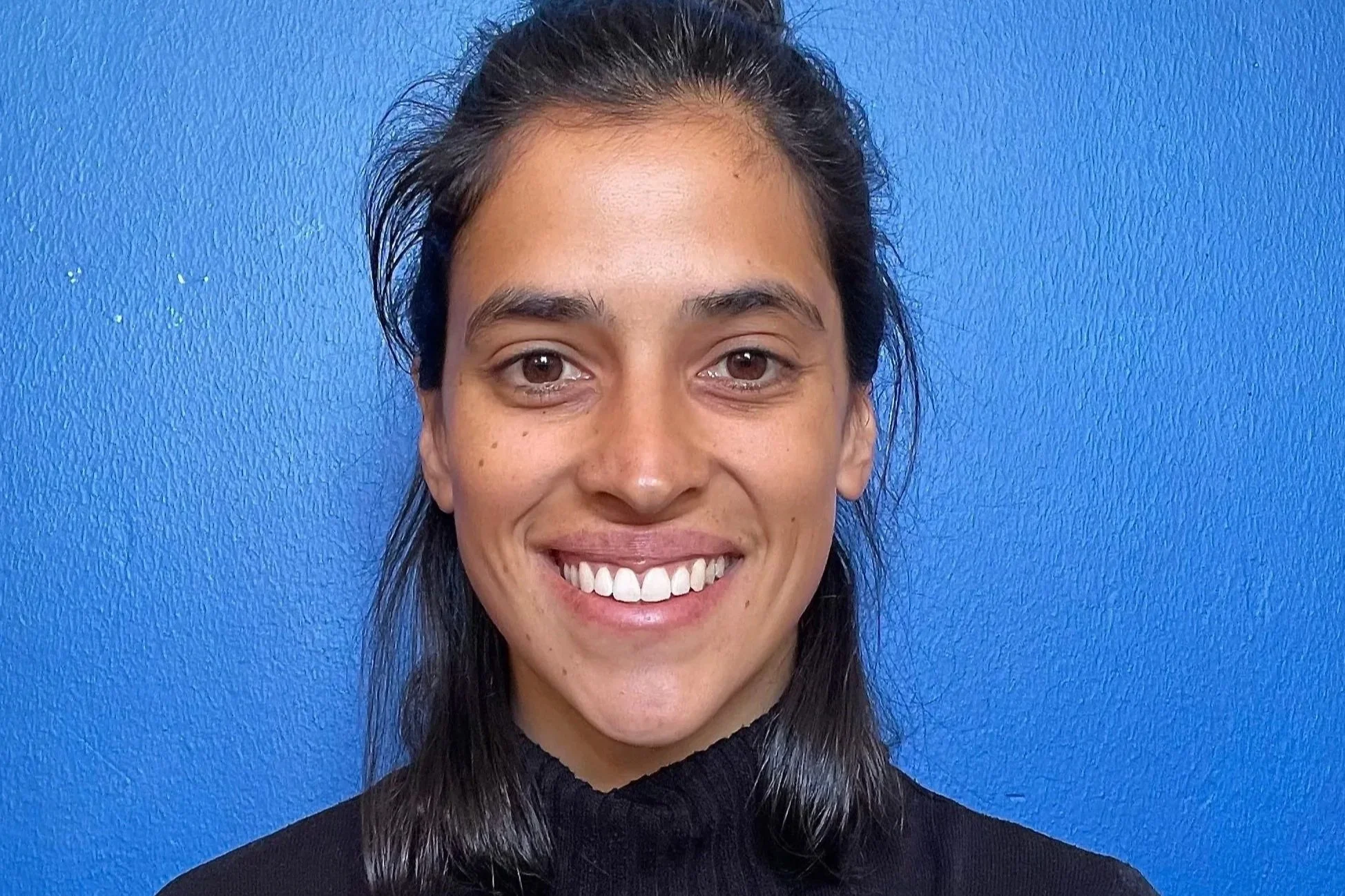
I am half Italian and half Brazilian. I grew up in Santa Maria di Leuca, a small village in the southeast of Italy, right in front of the sea.
Where and in which field did you complete your PhD?
I completed my PhD in vascular biology with a focus on rare diseases. I carried out my doctoral research in France at Inserm Grenoble within the Marie Skłodowska-Curie network, an international training program that connected 14 PhD students across Europe.
Why did you decide to pursue a PhD?
I was deeply drawn to learning how to design and conduct my own research. For me, the PhD represented the pinnacle of academic training and an opportunity to develop true scientific independence.
What was your first step after completing your PhD?
Honestly, I first took a breath. I traveled, surfed, and focused on activities that helped me recharge mentally and physically after such an intense period.
Did you have a clear career plan at that time?
Not at all. What I did know clearly was that I did not want to stay in traditional academic research, as it felt too niche for me. Sometimes knowing what you don’t want is already an important step.
What were the main challenges you faced?
The biggest challenge was building a professional network outside academia and understanding what alternative career paths were available with a PhD.
What is your current position and sector?
I currently work as a freelance medical and scientific writer, operating at the intersection between academia and industry. I also perform bioinformatics analysis for research projects.
How is your PhD useful in your current role?
It is 100% relevant. I still engage deeply with research, but without carrying the full weight and responsibility of running my own experimental projects.
Which PhD-developed skills do you use the most today?
The soft skills I rely on most are scientific writing and communication, critical thinking, problem-solving, time management, and strong organizational skills.
Have you experienced one or several career transitions?
Not really. I moved quite directly into freelance medical writing after my PhD.
Were these transitions chosen or imposed?
They were fully chosen.
What was the most difficult aspect of these changes?
The beginning was the hardest: finding clients, building trust, hearing “no” over and over again, and working long hours (including weekends) to establish myself.
Looking back, would you do a PhD again? Why?
Yes, absolutely. It shaped me into the researcher and professional I am today. I would definitely do it again.
What would you say to a PhD candidate who is currently doubting?
Doubt is part of the journey. A PhD opens far more doors than academia alone and the skills you are building are highly transferable. Stay curious, stay flexible, and remember that your path does not have to be linear.
What is your greatest achievement since completing your PhD?
Building my own medical writing activity and establishing myself as an independent professional working with international clients.
How do you envision the next steps of your career?
I aim to continue expanding my medical writing company, deepen my involvement in data analysis and bioinformatics, and collaborate on high-impact scientific publications.
What advice would you give to PhD holders in transition?
Start exploring early, talk to people outside academia, and don’t underestimate the value of your skill set. Most importantly, be patient. Building a new professional identity takes time, but it is absolutely achievable.
